For a child with autism spectrum disorder (ASD), a visit to the dentist can be difficult because of the lights, the noise, contact in the mouth and the change of routine. With good preparation at home and a clinic that adapts the visit to their needs, most children can be examined and treated calmly.
Why a Dental Visit Can Be Difficult
- Sensory stimuli: bright lights, the noise of the instruments, smells and the taste of the materials.
- Contact in the mouth, a very sensitive area for many children.
- Changes of routine and unfamiliar places.
- Waiting in rooms with other people.
How to Prepare at Home
- Prepare them with visual aids: picture cards or a social story showing the steps of the visit.
- Photos of the clinic and the team so they recognise the place and the faces.
- Practise at home: opening their mouth, counting their teeth with a mirror, lying back in a chair.
- Choose the best time of day for your child and ask for the first appointment of the morning to avoid waiting.
- Bring their comfort object or something that calms them.
- Tell the team what works for your child and what bothers them.
At wiloo we specialise in children's dental health. Find out more about our dental care for children with ASD.
What a Specialist Clinic Adapts
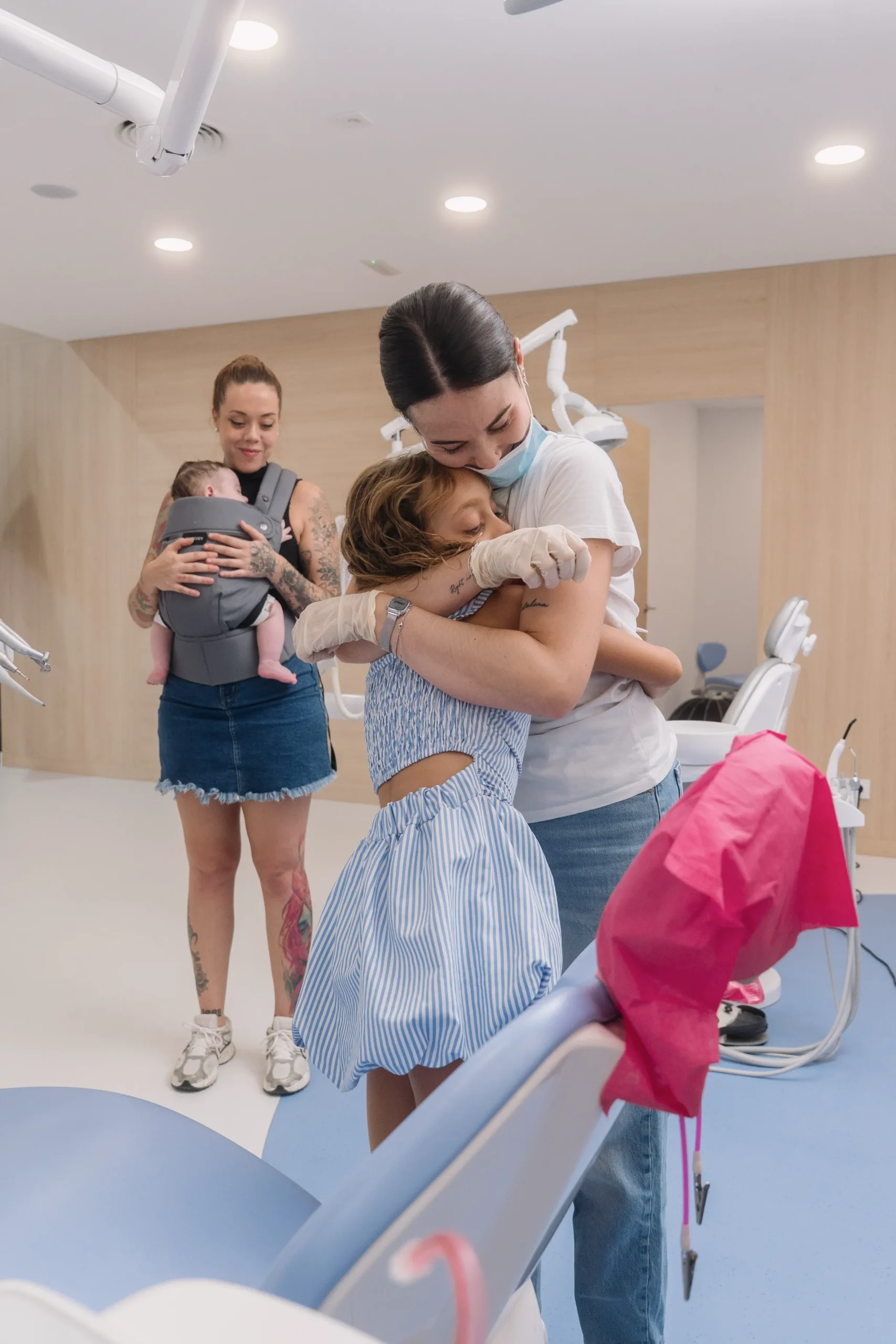
At wiloo, with more than 30 years' experience caring for children, we have a programme of dental care for children with ASD with an adapted protocol:
- We talk to the family first about what calms the child, what bothers them and how they communicate.
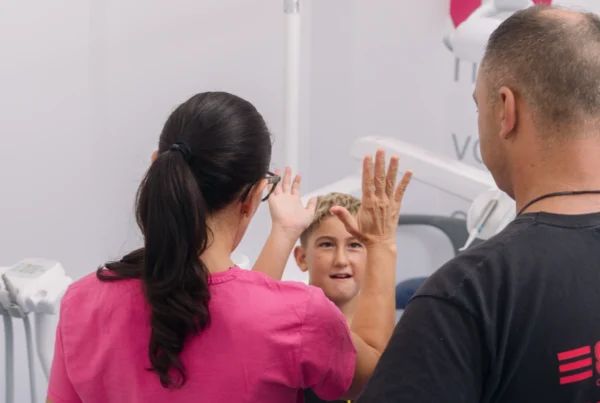
- Preliminary visits just to get to know the space, with no treatment.
- Gradual desensitisation: first looking at the mouth, then touching with a finger, then the mirror and, finally, the treatment. Nothing is ever forced: if a step doesn't work, we try again another day.
- Visual supports and structured routines, with the same routine and the same professional at every visit.
- Quiet time slots to avoid waiting and noise.
Daily Hygiene with Sensory Sensitivities
- Toothbrushes with small heads and very soft bristles; some children cope better with three-sided or electric brushes.
- Mild or neutral-flavoured toothpaste with the right amount of fluoride for their age.
- A visual routine with picture cards, always in the same order.
- A timer or a song to mark the end of brushing.
Our Experience with Families
Every child is different, and what works for one may not work for another. That's why we listen to the family first and adapt every step. If you have questions about how your child's visit will go, call us before the appointment and we'll plan it together.
Frequently Asked Questions
What if my child won't let the dentist examine them?
Nothing is forced. We progress gradually over several short visits. Many children are happy to be examined after one or two familiarisation visits.
Is sedation needed?
In most cases, no. Conscious sedation is only considered when behaviour management isn't enough, and it's always decided together with the family, explaining the risks and alternatives. The child doesn't fall asleep and is monitored at all times.
Can I visit the clinic before the appointment?
Yes, and we recommend it. A visit beforehand to see the space and meet the team helps a lot.
Have questions about your child’s dental health?
Come and meet us at our clinics in Terrassa, Girona, Torrent and Vic. Your first visit is free.